


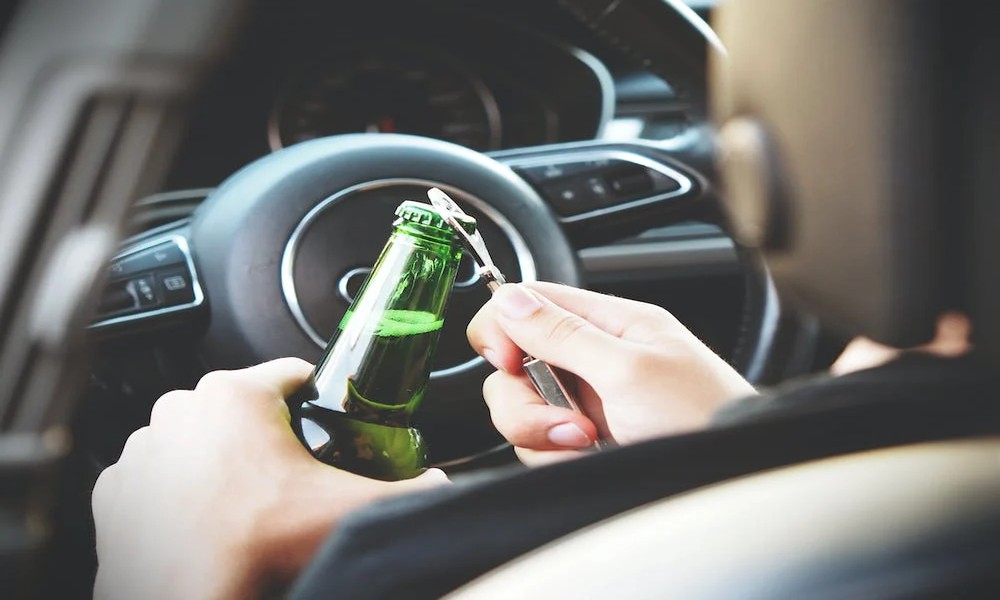
It’s one of the most searched questions after a DUI stop in Ada County: can you legally refuse to take a breathalyzer? The short answer is yes, you can physically refuse. But “can” and “should” are different questions entirely, and the consequences of refusal in Idaho are severe enough that making that choice without understanding what follows can seriously damage both your license and your criminal case. Idaho’s implied consent law doesn’t prevent refusal – it punishes it.
Here’s what actually happens when you refuse, what the law requires, and how that decision plays out across the two proceedings that follow every Boise DUI arrest.
What Idaho’s Implied Consent Law Actually Says
Under Idaho Code § 18-8002, anyone who drives on Idaho’s public roads has already consented – by the act of driving – to submit to evidentiary testing of their breath, blood, or urine if a law enforcement officer has reasonable grounds to believe they’re under the influence. That consent isn’t something you sign. It’s implied by the fact that you hold an Idaho driver’s license and use the state’s roads.
When an officer pulls you over in Boise and develops probable cause to believe you’re impaired, they can invoke that implied consent and request an evidentiary test. At that point, the officer is required to read you the implied consent advisory, which explains your right to refuse, the consequences of doing so, and your right to an additional test at your own expense if you comply. Once that advisory is read, the clock starts.
Refusing doesn’t mean the officer shrugs and lets you go. It means the consequences of refusal kick in immediately, and the investigation shifts to accommodate the refusal.
The License Consequences of Refusal Are Harsher Than a Failed Test
This is where many people are surprised. Refusing to take the breathalyzer actually carries a longer administrative license suspension than simply failing it. Under Idaho’s Administrative License Suspension framework:
- A first-offense failed breath test results in a 90-day suspension.
- A first-offense refusal results in a one-year suspension.
- A second-offense failed test within ten years carries a one-year suspension.
- A second-offense refusal within ten years carries a two-year suspension.
The refusal suspension is also harder to work around. Idaho law restricts the availability of restricted driving privileges during a refusal-based suspension differently than it does for a test failure. For a first-offense test failure, restricted privileges tied to an ignition interlock device are generally accessible. For a refusal suspension, those privileges are more limited and, in some circumstances, unavailable entirely during part of the suspension period.
All of this happens through the administrative process at the Idaho Transportation Department – not in criminal court, and not as a result of a conviction. Just the arrest and the refusal are enough to trigger it, provided the officer followed the proper procedures.
Refusal Doesn’t Keep Evidence Out of Court
The assumption behind many refusals is that without a BAC number, the prosecution has less to work with. That logic made more sense before the legal landscape shifted. The U.S. Supreme Court’s 2016 decision in Birchfield v. North Dakota established that while warrantless breath tests incident to a lawful arrest are constitutional, blood draws require a warrant. Idaho law and practice have adapted accordingly.
When a driver refuses a breath test in Boise, officers have the ability to apply for a search warrant authorizing a blood draw. In Ada County, that process moves quickly. Judges are available around the clock for warrant applications, and electronic warrant procedures allow officers to obtain authorization without significant delay. A driver who refuses at 1:00 a.m. on a Friday can have a blood draw ordered by warrant within the hour in many cases.
That blood sample, obtained by warrant, is fully admissible in the criminal DUI case. The refusal itself is also admissible. Prosecutors can and do argue to juries that a person’s decision to refuse reflects consciousness of guilt – awareness that the test would show something incriminating. A skilled defense attorney can counter that argument, but it’s a factor that has to be accounted for in the case strategy.
The net effect: refusal often produces both a longer license suspension and a blood draw anyway, with the added burden of the refusal being used against the defendant in court.
When Refusal Might Still Factor Into a Defense
There are narrow circumstances where the decision to refuse, or the procedures surrounding it, become relevant to the defense rather than simply working against it.
If the officer failed to properly read the implied consent advisory, that procedural defect can affect the administrative suspension. Idaho Code § 18-8002 requires that the advisory be given correctly before any consequences of refusal attach. Officers who skip steps, give an incomplete advisory, or misstate the consequences have created grounds for challenge at the ALS hearing.
The lawfulness of the stop itself is a separate and often more powerful issue. If the officer lacked reasonable suspicion to initiate the traffic stop in the first place, everything that follows – including the implied consent request, the refusal, and any warrant-obtained blood evidence – may be suppressible under the Fourth Amendment. Idaho courts do not permit law enforcement to save an unlawful stop by pointing to what they found afterward.
And if a blood draw was obtained by warrant, that warrant and the draw procedure are subject to scrutiny. Was the warrant application based on accurate information? Was the blood properly collected, stored, and tested? Were chain of custody protocols followed? Lab results from improperly handled samples can be challenged and sometimes excluded.
The Roadside Breath Test Is Different From the Evidentiary Test
One distinction that trips up a lot of drivers: the handheld device an officer uses roadside before the arrest is not the evidentiary breathalyzer subject to implied consent. That preliminary breath test (PBT) is a screening tool. Refusing it carries no implied consent consequences and cannot be used as evidence of your BAC in court – though the officer can note the refusal as part of their basis for probable cause.
The evidentiary test subject to implied consent is the Intoxilyzer 8000 administered at the station after arrest, or a blood draw conducted under proper conditions. Those are the tests where refusal triggers the one-year suspension and the warrant process.
Many drivers don’t know this distinction and assume any breath test they decline is the same as refusing the evidentiary test. Understanding the difference matters if you’re ever in a position to make these decisions at a stop.
How This Plays Out Across Both Proceedings
The refusal decision creates consequences that run simultaneously through the administrative license suspension process and the criminal DUI case. Handling them in isolation – treating the license suspension as a DMV problem and the criminal case as a court problem – is how defendants end up with strategies that undercut each other.
The ALS hearing, if requested within the seven-day deadline, is where the implied consent advisory procedure, the lawfulness of the stop, and the officer’s reasonable grounds get examined first. The answers developed there inform the criminal defense. Evidence gathered during the ALS hearing process can strengthen a motion to suppress in criminal court. Positions taken at the administrative level need to be consistent with the criminal defense theory.
A Boise DUI arrest involving a refusal isn’t a simpler case than one with a BAC result. In many ways it’s more complicated, because the refusal introduces an additional layer of consequences and arguments that have to be managed across two separate legal processes at the same time.
Getting the Strategy Right From the Start
Idaho’s implied consent law is designed to make testing difficult to avoid without consequences. Refusal doesn’t create a clean escape – it trades one set of problems for another, usually a longer license suspension and a warrant blood draw that becomes criminal evidence anyway. What it does create is a more complex case that requires careful handling from day one.
If you were arrested for DUI in Boise and refused a breath or blood test, the seven-day window to request an ALS hearing is already running. Contact our office today to protect your license and start building the defense your case actually requires.