


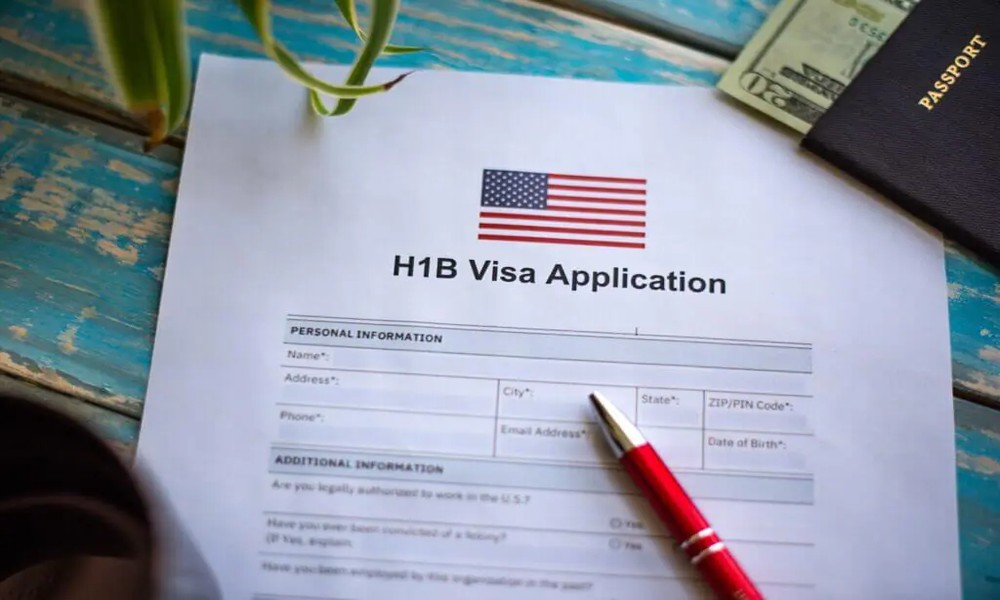
The EB-1 immigrant visa is one of the most selective pathways to permanent residence in the United States. It is designed for individuals who have reached the highest levels of achievement in their professional fields.
Because the standards are high and the documentation requirements are detailed, many applicants seek guidance to better understand how eligibility is evaluated. This is where EB 1 visa lawyers often become relevant to the process.
This article provides a clear, non-technical explanation of the EB-1 visa category, who it is for, and how legal professionals help applicants navigate its requirements.
What Is the EB-1 Immigrant Visa?
The EB-1 visa is an employment-based immigrant visa category that allows certain individuals to apply for U.S. permanent residence, commonly known as a green card. Unlike many other employment-based visas, the EB-1 category does not always require a permanent job offer or labor certification.
The EB-1 visa is divided into three subcategories, each targeting a different group of highly accomplished individuals. All EB-1 categories are subject to strict eligibility criteria and careful review by U.S. Citizenship and Immigration Services (USCIS).
According to USCIS, EB-1 visas are intended for individuals who can demonstrate sustained national or international recognition in their fields .
The Three EB-1 Subcategories Explained
EB-1A: Individuals of Extraordinary Ability
The EB-1A category is for individuals with extraordinary ability in areas such as science, arts, education, business, or athletics. Applicants must show that they are among the small percentage who have risen to the very top of their field.
Evidence may include major international awards, published material about the applicant, original contributions of significance, or leading roles in distinguished organizations. Importantly, EB-1A applicants may self-petition, meaning no employer sponsorship is required.
EB-1B: Outstanding Professors and Researchers
The EB-1B category applies to professors and researchers who are internationally recognized for their academic achievements. Applicants must typically have at least three years of experience in teaching or research and a qualifying job offer from a U.S. employer.
Documentation often includes academic publications, citation records, peer review experience, and evidence of scholarly impact.
EB-1C: Multinational Executives and Managers
The EB-1C category is designed for executives and managers who have worked for a multinational company abroad and are being transferred to a U.S. office. The applicant must have held a managerial or executive role for at least one year within the previous three years.
This category focuses heavily on corporate structure, managerial authority, and the relationship between the foreign and U.S. entities.
Why the EB-1 Visa Is Considered Complex
Although the EB-1 visa is highly desirable due to faster processing times and fewer procedural steps, it is not simple to obtain. The primary challenge lies in proving eligibility through evidence rather than meeting basic checklist requirements.
USCIS evaluates both the quality and relevance of submitted documentation. Even applicants with strong credentials may receive requests for additional evidence if the initial filing does not clearly establish eligibility.
Because decisions are discretionary, careful presentation and organization of evidence play an important role in the outcome.
The Role of EB 1 Visa Lawyers
EB 1 visa lawyers assist applicants by interpreting immigration regulations and aligning evidence with USCIS standards. Their role is not to create qualifications, but to help present existing achievements in a clear and legally relevant manner.
Legal professionals often evaluate whether an applicant fits best under EB-1A, EB-1B, or EB-1C, as misclassification can result in delays or denials. They also help prepare legal arguments explaining how submitted evidence meets regulatory criteria.
An experienced EB 1 visa lawyer can also respond to requests for evidence by addressing specific concerns raised by USCIS in a structured, legally sound manner.
Common Misunderstandings About EB-1 Eligibility
A frequent misconception is that only Nobel Prize winners or internationally famous individuals qualify for EB-1 visas. While such achievements strengthen a case, they are not required in every situation.
Another misunderstanding is that meeting a certain number of criteria guarantees approval. In reality, USCIS conducts a final merits determination, assessing the overall strength of the case rather than relying solely on numerical thresholds.
Understanding these nuances is essential for setting realistic expectations about the application process.
Supporting Evidence and Legal Standards
Evidence in EB-1 cases must demonstrate sustained recognition and impact. This may include expert recommendation letters, publication metrics, media coverage, or proof of leadership roles.
USCIS guidance emphasizes that evidence must show both past achievements and ongoing prominence in the field. Official explanations of EB-1 requirements are available on the USCIS website, which provides authoritative reference material for applicants and researchers .
Clear documentation and logical organization help decision-makers understand how an applicant’s career aligns with EB-1 standards.
Summary of Key Insights
The EB-1 immigrant visa offers a valuable pathway to permanent residence for individuals with exceptional professional achievements. It is divided into three distinct subcategories, each with specific eligibility requirements and evidentiary standards.
While the process avoids some steps required by other employment-based visas, it demands careful preparation and detailed documentation. EB 1 visa lawyers help clarify legal criteria, organize evidence, and explain how achievements meet immigration standards.
For individuals exploring the EB-1 category, understanding its structure and expectations is an essential first step toward making informed decisions about eligibility and preparation.